
Find doctors, service and health information
Popular Searches
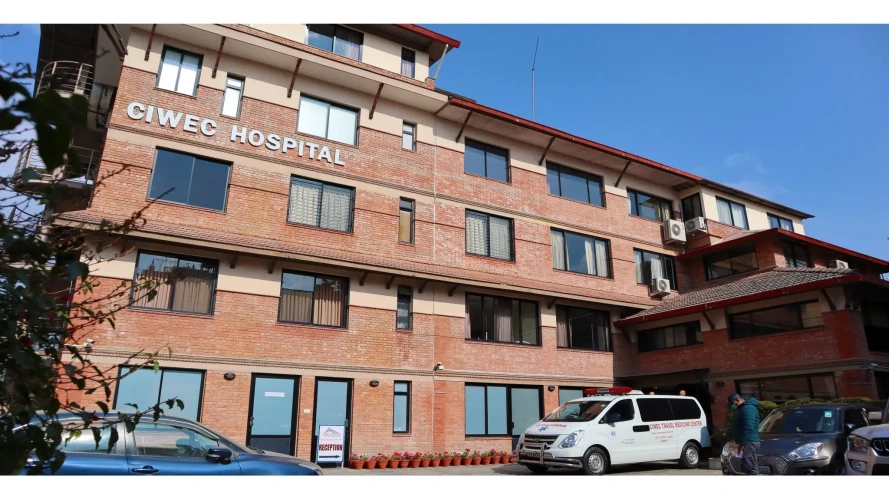
Decades supporting trekkers and climbers in Nepal’s high altitudes.
CIWEC has earned international recognition for its expertise in altitude medicine, expedition healthcare, travel medicine and emergency mountain care. Our team supports thousands of trekkers, climbers and travelers every year.
Prevention, diagnosis and treatment of altitude-related illnesses.
Medical support for trekking groups and expeditions.
Vaccinations, travel health consultations and preparation.
Rapid evaluation and treatment of severe altitude illnesses.
From first-time trekkers to experienced mountaineers, our altitude medicine team provides the expertise needed to stay safe and healthy in challenging environments.
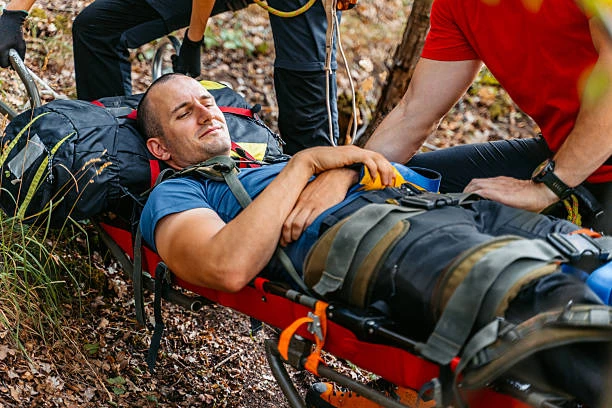
As altitude increases, oxygen levels decrease and the risk of altitude-related illness rises significantly. Understanding your risk level helps you prepare and travel safely.
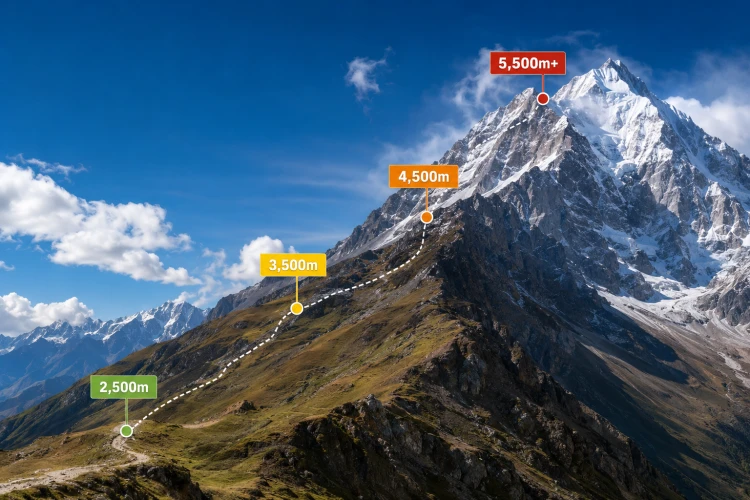
Entry Altitude Zone
Stay hydrated and begin gradual ascent.
AMS Risk Begins
Ascend slowly and monitor symptoms.
Severe AMS Possible
Consider acclimatization days.
HAPE / HACE Zone
Immediate descent and urgent medical care.
Altitude illness ranges from mild discomfort to life-threatening medical emergencies. Recognizing symptoms early can significantly improve outcomes and help prevent serious complications.
AMS is the most common altitude illness and typically occurs above 2,500 meters when the body has not fully adapted to reduced oxygen.
HAPE occurs when fluid accumulates in the lungs, making breathing difficult and potentially becoming fatal without prompt treatment.
HACE develops when swelling affects the brain. It is a medical emergency that requires immediate descent and urgent treatment.
Trekking at altitude increases fluid loss and physical strain, which may worsen altitude symptoms if not addressed.
Extreme cold exposure can lead to serious injuries affecting the skin, tissues and entire body. Understanding the warning signs can help prevent long-term damage and life-threatening complications.
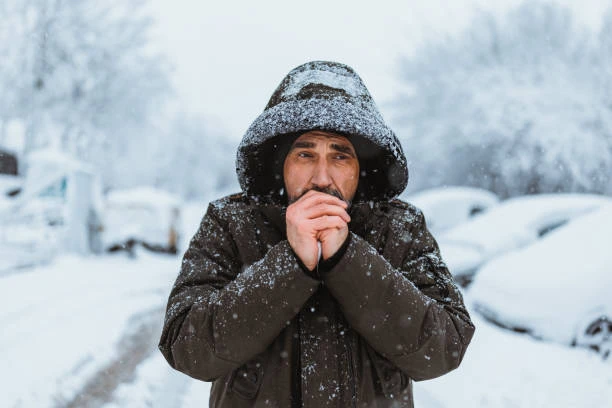
High winds, wet clothing, extreme temperatures and prolonged exposure significantly increase the risk of frostbite and hypothermia during trekking and mountaineering activities.
Proper clothing, layering, hydration, nutrition and weather awareness remain the best protection against cold injuries.
Providing trusted healthcare services from Kathmandu and Pokhara, serving local and international patients across Nepal.
Main Hospital
G.P.O Box 12895
Kapurdhara Marg
Kathmandu 44600, Nepal
Branch Hospital
14th Street, Lakeside
Pokhara-6, Nepal